

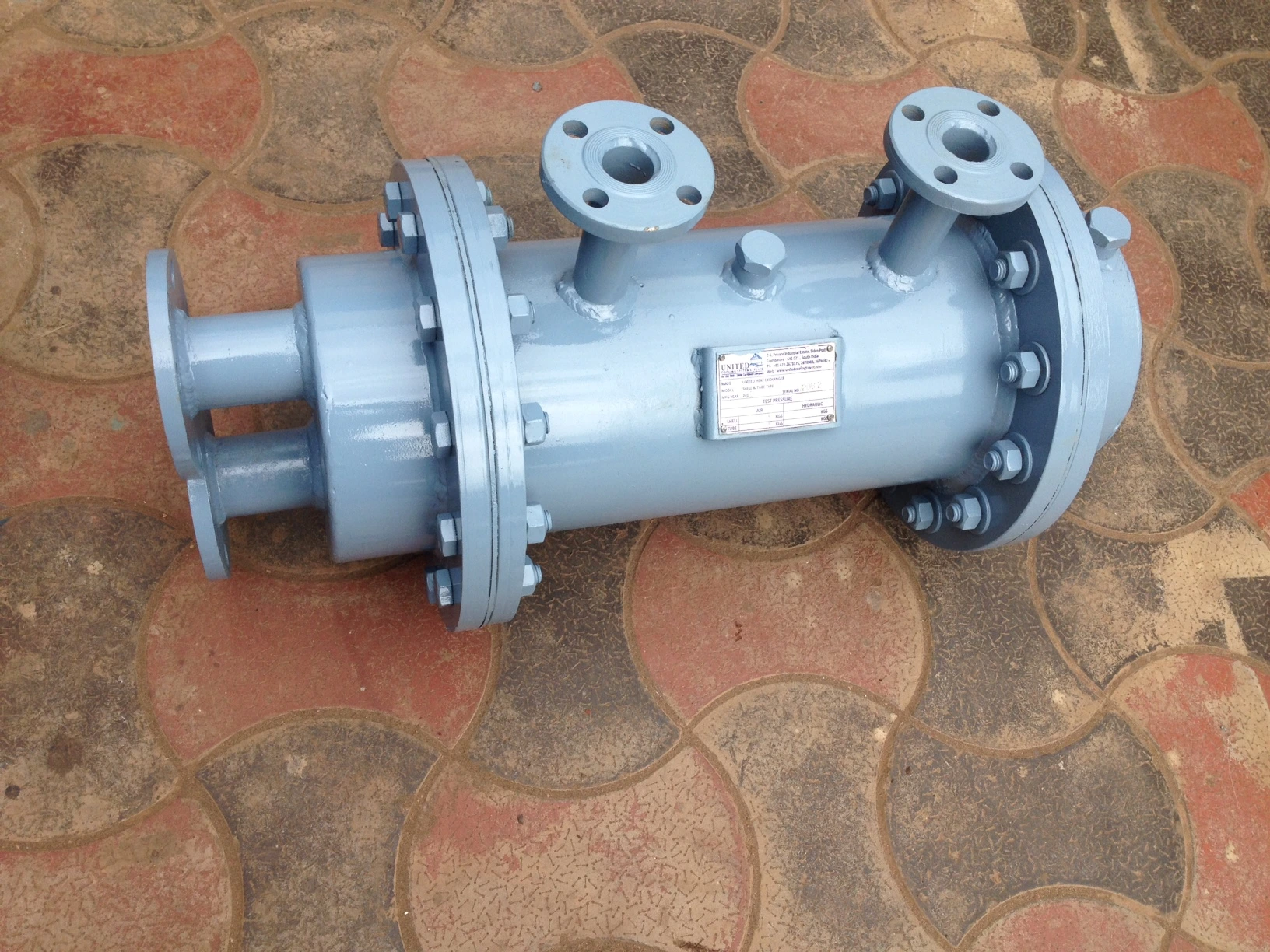
What is an oil cooler?
An oil cooler is a specialized heat exchanger that regulates the temperature of lubricating or hydraulic oil in engines, gearboxes, and industrial hydraulic systems. As machinery runs, oil absorbs heat from friction and mechanical load—left unmanaged, this causes oil to degrade, lose viscosity, and stop protecting moving parts. Oil coolers transfer this excess heat to ambient air or water, keeping oil within a safe temperature range and protecting bearings, seals, and valves from premature wear. United Cooling Systems engineers oil coolers for automotive, marine, and industrial applications, matched to exact flow rate and heat-load requirements.
Signs Your Equipment May Need an Oil Cooler
Not sure whether overheating oil is actually the problem? These are the most common warning signs that indicate an oil cooler is needed or that an existing one is failing:
- Oil temperature running consistently above the manufacturer's recommended range even during normal operating loads, not just under peak stress.
- Dark, burnt-smelling, or unusually thin oil at routine checks a sign the oil has already begun to break down from sustained heat exposure.
- Increased friction noise or sluggish hydraulic response under load, often the first mechanical symptom of oil that has lost its proper viscosity.
- Frequent, premature bearing or seal failure with no other obvious cause — heat-degraded oil is a common root cause engineers overlook.
- Rising differential temperature or pressure drop across an existing oil cooler, indicating internal fouling or a unit that's now undersized for current operating conditions.
If any of these apply to your equipment, contact our engineering team to evaluate whether a new oil cooler or a properly sized replacement is needed.
What Is the Purpose of an Oil Cooler?
The purpose of an oil cooler is to remove excess heat from lubricating or hydraulic oil before it degrades, protecting the equipment it lubricates. Without this cooling step, oil breaks down under sustained heat, losing the viscosity it needs to form a protective film between moving parts—leading to increased friction, accelerated wear on bearings and seals, and a higher risk of component failure. By continuously regulating oil temperature, an oil cooler keeps lubrication performance stable and extends the working life of the machinery it protects.
- Prevents oil breakdown—keeps oil below the temperature at which it starts to oxidize and degrade.
- Maintains proper viscosity—Ensures oil stays thick enough to form an effective lubricating film.
- Protects bearings and seals—Reduces the heat-related wear that damages these critical, sensitive components.
- Lowers the risk of component failure—limits friction and thermal stress on pistons, valves, gears, and pumps.
- Extends equipment service life—Consistent oil temperature means less wear and fewer costly overhauls over time.
Working Principle Of Oil Cooler
The fundamental working principle behind every oil cooler is heat transfer through conduction and convection. Regardless of design, the process generally follows these steps:
- Oil Intake — Hot oil is drawn from the engine, gearbox, or hydraulic system and directed into the oil cooler through an inlet port.
- Heat Exchange Contact — Inside the cooler, the hot oil flows through a network of tubes, plates, or fins that are in close thermal contact with the cooling medium (air or water).
- Heat Dissipation — As the oil moves through this network, heat is conducted through the metal surfaces and dissipated into the surrounding air or water flow, lowering the oil's temperature.
- Cooled Oil Return — The now-cooled oil exits the cooler and is returned to the engine or hydraulic circuit, ready to continue lubricating and protecting components.
- Heat load— Calculate the amount of heat (in kW or BTU/hr) your system needs to dissipate. Higher heat loads generally favor water-cooled or plate-type coolers, which offer greater cooling capacity per unit size.
- Available cooling medium— If a reliable water supply exists on-site, water-cooled or plate-type coolers deliver superior performance. Where water access is limited or impractical—remote sites, mobile equipment, outdoor installations—air-cooled units eliminate that dependency entirely.
- Space constraints— Plate-type coolers offer the highest heat-transfer density in the smallest footprint, making them ideal for space-limited marine and industrial installations. Tube-fin coolers need more clearance for airflow but are simpler to install and service.
- Duty cycle— Continuous, heavy-duty operation—power plants, industrial presses, and marine engines—typically favors water-cooled systems for their higher sustained cooling capacity. Intermittent-duty or mobile equipment is usually better served by air-cooled or tube-fin designs.
This cycle repeats continuously during operation, maintaining a stable oil temperature even under sustained heavy loads. The rate of heat transfer depends on several variables, including the surface area of the cooling core, the flow rate of oil and coolant, and the temperature differential between the oil and the cooling medium. Well-engineered oil coolers are designed to maximize this heat exchange efficiency while minimizing pressure drop across the system.
Types of Oil Coolers
Oil coolers are manufactured in several distinct configurations, each suited to different operating conditions, space constraints, and cooling demands.
Plate-Type Oil Coolers
Plate-type oil coolers use a stack of thin, corrugated metal plates to create alternating channels for oil and coolant. This design offers an extremely high surface-area-to-volume ratio, making plate coolers highly efficient in a compact footprint. They are commonly chosen for marine engines, industrial hydraulic systems, and applications where space is limited.
Tube-Fin Type Oil Coolers
Tube-fin oil coolers route oil through a series of tubes surrounded by external fins that increase surface area for air contact. As ambient air flows across the fins—either naturally or via a fan—heat is drawn away from the oil inside the tubes. This design is widely used in automotive and light industrial applications due to its simplicity and reliability.
Water-Cooled Oil Coolers
Water-cooled oil coolers use circulating water, often sourced from an engine's existing cooling system, as the heat-absorbing medium. Because water has a higher thermal conductivity than air, these coolers offer superior cooling capacity and are typically used in high-performance, heavy-duty, or continuous-operation environments such as power plants and marine vessels.
Air-Cooled Oil Coolers
Air-cooled oil coolers rely entirely on ambient air to dissipate heat, eliminating the need for a separate water supply or connection. This makes them ideal for remote sites, mobile equipment, and outdoor installations where water access is limited or impractical.
How Do You Choose the Right Oil Cooler for Your Application?
With four distinct oil cooler types available, selecting the right one comes down to matching the cooler's strengths to your specific operating conditions. Four factors drive the decision:
When these factors point in different directions—for example, a high heat load but no water access— United Cooling Systems can help specify a custom configuration engineered around your exact operating conditions rather than a generic catalog match.
Oil Cooler Types at a Glance
| Type | Cooling Medium | Space Efficiency | Best Suited For |
|---|---|---|---|
| Plate-Type | Oil-to-coolant (liquid) | Very High | Marine engines, industrial hydraulics, space-limited installations |
| Tube-Fin | Ambient air | Moderate | Automotive engines, light industrial equipment |
| Water-Cooled | Circulating water | High | Power plants, continuous-duty industrial systems |
| Air-Cooled | Ambient air only | Moderate | Remote sites, mobile equipment, outdoor installations without water access |
Design & Construction
The performance and lifespan of an oil cooler depend heavily on its design and the materials used in its construction.
Core Materials
Oil coolers are commonly constructed using aluminum, copper alloys, carbon steel, or stainless steel, depending on the operating pressure, temperature, and corrosive properties of the oil or coolant involved. Aluminum is favored for its lightweight, high thermal conductivity, making it popular in automotive applications, while stainless steel is preferred in marine or corrosive industrial environments for its resistance to rust and chemical degradation.
Fin Geometry
The shape, spacing, and density of fins directly affect how efficiently heat is dissipated. Tightly spaced fins increase the surface area and improve cooling performance but can also increase airflow resistance, so engineers must balance fin density against pressure drop requirements for each specific application.
Tube Arrangement
Internal tube layout—whether straight, U-shaped, or serpentine—influences flow characteristics and heat transfer efficiency. Multi-pass tube arrangements increase the time oil spends in contact with the cooling surface, improving thermal exchange, though this must be balanced against system pressure limitations.
Durability Factors
Weld quality, corrosion-resistant coatings, and pressure-rated housings all contribute to an oil cooler's long-term durability. Units operating in harsh industrial or marine environments typically require additional protective coatings and thicker-gauge materials to withstand vibration, thermal cycling, and exposure to contaminants.
Applications
Oil coolers are used across a diverse range of industries wherever machinery generates significant frictional or thermal heat:
- Automotive Engines — Regulating engine oil temperature to prevent breakdown of lubricant properties during high-speed or high-load driving conditions.
- Industrial Machinery — Protecting gearboxes, compressors, and rotating equipment from heat-related wear in manufacturing plants.
- Hydraulic Systems — Maintaining hydraulic fluid within safe operating temperatures to protect pumps, valves, and seals in construction and heavy equipment.
- Marine Engines — Managing engine and transmission oil temperatures aboard ships and boats, often using water-cooled configurations sourced from surrounding seawater.
- Power Plants — Cooling and lubricating oil in turbines, generators, and auxiliary systems that operate continuously under heavy thermal load.
Advantages of Oil Coolers
Investing in a properly specified oil cooler delivers measurable benefits across equipment performance and operating costs:
- Improved Equipment Life — Consistent oil temperatures reduce mechanical wear on bearings, seals, and moving components, extending overall service life.
- Reduced Overheating — Prevents thermal breakdown of oil, which can otherwise lead to sludge formation, reduced lubrication, and costly component failure.
- Enhanced Reliability — Stable operating temperatures reduce the likelihood of unplanned downtime, particularly in continuous-duty industrial and marine applications.
- Better Fuel and Energy Efficiency — Properly cooled oil maintains optimal viscosity, reducing internal friction and improving overall system efficiency.
- Lower Maintenance Costs — Reduced wear and thermal stress translate into fewer repairs and longer intervals between overhauls.
Maintenance & Troubleshooting
Regular maintenance is essential to keep an oil cooler operating at its rated capacity over its full service life.
Cleaning- fins, tubes, and plates should be periodic to remove dirt, debris, and oxidation buildup that can insulate surfaces and reduce heat transfer efficiency.
- Air-cooled units are particularly prone to fin blockage from dust and airborne contaminants.
- Routine Inspection of fittings, gaskets, and welded joints helps catch early signs of leaks before they lead to oil loss or contamination of the cooling medium.
- Pressure testing during scheduled maintenance intervals is a reliable way to confirm system integrity.
- Internal fouling—caused by oil degradation byproducts or mineral deposits in water-cooled systems—gradually reduces cooling efficiency.
- Using clean, compatible fluids and following manufacturer-recommended service intervals helps minimize fouling over time.
- oil inlet and outlet temperatures, along with pressure readings across the cooler, allows operators to detect performance degradation early.
- A rising temperature differential or unexpected pressure drop often signals the need for cleaning, inspection, or component replacement.
Frequently Asked Questions
1. What is the main function of an oil cooler?
An oil cooler's main function is to remove excess heat from lubricating or hydraulic oil, keeping it within a safe operating temperature range to protect equipment and maintain lubrication performance.
2. How do I know if my oil cooler needs replacing?
Signs include rising oil temperatures despite normal operating conditions, visible leaks, reduced equipment performance, or a noticeable pressure drop across the cooler during inspection.
3. Are air-cooled or water-cooled oil coolers better?
It depends on the application. Air-cooled coolers are simpler and don't require a water connection, making them ideal for mobile or remote equipment, while water-cooled coolers offer higher cooling capacity for heavy-duty, continuous-operation systems.
4. How often should an oil cooler be serviced?
Most manufacturers recommend inspection and cleaning every 6 to 12 months, though high-duty-cycle industrial and marine applications may require more frequent monitoring.
5. Can an oil cooler improve fuel efficiency?
Yes. By keeping oil at its optimal viscosity, an oil cooler reduces internal friction, which can contribute to modest improvements in fuel or energy efficiency over time.
Conclusion
Oil coolers are a foundational component of thermal management in engines, hydraulic systems, and industrial machinery. By continuously regulating oil temperature, they protect critical components from wear, prevent lubricant breakdown, and support long-term equipment reliability across automotive, marine, industrial, and power generation applications. Selecting the right type — whether plate, tube-fin, air-cooled, or water-cooled — depends on the specific demands of the application, including space constraints, ambient conditions, and required cooling capacity. As industries continue to adopt compact designs, advanced materials, and smart monitoring technology, oil coolers are becoming more efficient and easier to maintain—better than before. Choosing a properly environment-protected—depending on and following consistent maintenance practices—ensures maximum equipment lifespan, reduced downtime, and dependable performance under demanding operating conditions.
Get a Custom Oil Cooler Quote →

