Heat Exchanger Certification
22-03-2025

Maximizing Efficiency: How SS High-Pressure Heat Exchangers Improve Performance in 2025


SS High-Pressure Heat Exchangers: Industrial Applications, Maintenance & Efficiency Tips
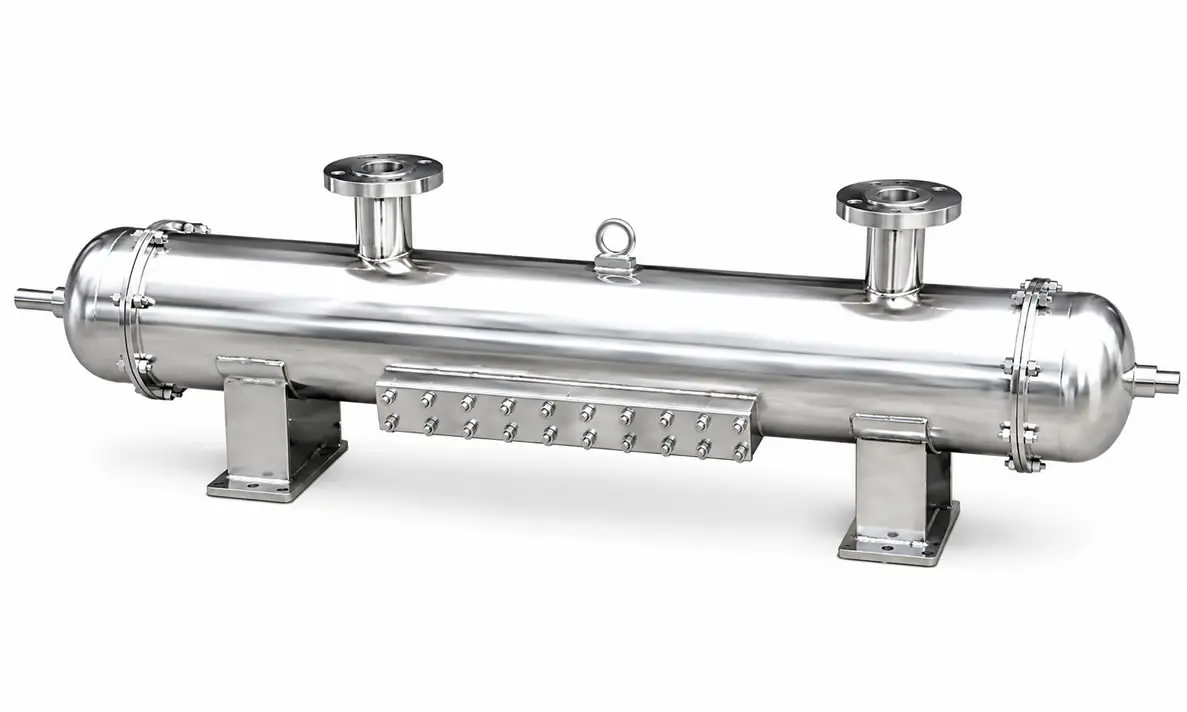
In 2025, the demand for energy-efficient and durable thermal systems continues to grow. Among the top performers in this domain are SS high-pressure heat exchangers Known for their exceptional corrosion resistance, thermal performance, and ability to handle extreme pressure, these heat exchangers are essential across a wide range of industries.

This blog explores the most important industrial applications of SS high-pressure heat exchangers, shares maintenance strategies to extend their lifespan and efficiency, and addresses frequently asked questions. Whether you're an engineer, facility manager, or procurement specialist, this guide will help you make informed decisions and get the most out of your system.


Top Industrial Applications of SS High-Pressure Heat Exchangers

1. Oil and Gas Industry

Why it matters: This industry operates in high-pressure environments with aggressive, corrosive fluids.

Key Applications:

  • Offshore platform cooling
  • Natural gas processing
  • Crude oil preheating
  • Gas-to-gas heat recovery

Why Stainless Steel?

  • High resistance to sour gases, hydrocarbons, and seawater
  • Maintains structural integrity under extreme pressure

2. Power Generation (Thermal, Nuclear & Renewable)

Why it matters: Heat exchangers are critical for managing thermal loads in power cycles.

Key Applications:

  • Boiler feedwater heating
  • Steam condensing in turbines
  • Nuclear reactor heat regulation
  • Thermal exchange in Concentrated Solar Power (CSP)

Why Stainless Steel?

  • Handles high pressure and temperature variations
  • Resistant to scale buildup

3. Chemical and Petrochemical Industry

Why it matters: Chemical processes involve highly corrosive fluids, high pressures, and temperatures.

Key Applications:

  • Process fluid heating/cooling
  • Reactor jacket cooling
  • Condensers and reboilers

Why Stainless Steel?

  • SS grades like 316L and 904L offer excellent resistance to acidic and alkaline environments
  • Maintains thermal performance and structural strength

4. Food and Beverage Industry

Why it matters: Hygiene and temperature consistency are vital for food safety and quality.

Key Applications:

  • Pasteurization
  • Steam heating for dairy and breweries
  • Clean-in-Place (CIP) systems

Why Stainless Steel?

  • Non-reactive and easy to sanitize
  • Complies with food-grade material standards

5. Pharmaceutical & Biotech

Why it matters: These industries demand tight thermal control and sterile conditions.

Key Applications:

  • Sterilization systems
  • Temperature-sensitive reactions
  • WFI (Water for Injection) systems

Why Stainless Steel?

  • SS 316L is ideal for its sanitary surface and easy cleanability
  • Resistant to contamination and corrosion

6. Marine & Shipbuilding

Why it matters: Equipment must perform under saltwater exposure, high pressure, and space constraints.

Key Applications:

  • Engine cooling
  • HVAC and refrigeration onboard
  • Ballast water treatment

Why Stainless Steel?

  • Excellent saltwater corrosion resistance
  • Compact design with high mechanical strength

7. HVAC and District Heating Systems

Why it matters: Modern infrastructure needs reliable and efficient heating and cooling systems.

Key Applications:

  • Heat pumps
  • Chillers and condensers
  • Central district heating plants

Why Stainless Steel?

  • Resistant to corrosion and scale
  • Compact and energy-efficient designs

8. Aerospace and Defense

Why it matters: These sectors demand reliability in extreme conditions including high altitudes and speeds.

Key Applications:

  • Jet engine intercoolers
  • Avionics cooling
  • Missile and spacecraft temperature control

Why Stainless Steel?

  • Handles high g-forces, vibration, and thermal shock
  • Lightweight yet durable


Why Stainless Steel is Ideal for High-Pressure Heat Exchangers

  • Corrosion Resistance: Especially against chlorides, acids, and seawater.
  • High Thermal Performance: Efficient heat transfer properties.
  • Strength and Pressure Resistance: Withstands high operational pressures.
  • Sanitary Properties: Especially important in food, beverage, and pharma applications.
  • Long-Term Durability: Fewer replacements and lower lifecycle costs.

Stainless steel grades like 316, 316L, and 904L are widely used depending on the application and required resistance level.


Maintenance Tips to Increase Lifespan & Efficiency

Even the best SS heat exchangers need regular care. Follow these proven tips to maintain top performance:

1. Stick to a Cleaning Schedule

Why: Fouling reduces heat transfer and increases pressure drop.

Action Plan:

  • Use mechanical or chemical cleaning methods
  • Match cleaning agents with deposits (e.g., citric acid for scale)
  • Clean preventively, not reactively

2. Monitor for Corrosion

Why: SS resists corrosion but isn't immune under all conditions.

Action Plan:

  • Track pH and chloride content
  • Apply corrosion inhibitors if needed
  • Check welds and joints for pitting or stress cracking

3. Check Pressure and Flow Balance

Why: Imbalanced flow causes hotspots and tube erosion.

Action Plan:

  • Maintain design flow rates
  • Monitor pressure drops across the unit
  • Calibrate valves and synchronize pumps

4. Inspect Seals and Gaskets

Why: High pressure demands perfect sealing.

Action Plan:

  • Use rated, compatible gaskets
  • Replace worn seals early
  • Retighten bolts to spec after service

5. Track Performance Metrics

Why: Early warning signs prevent bigger issues.

Action Plan:

  • Log inlet/outlet temps and pressure
  • Watch for efficiency dips
  • Use thermal imaging or ultrasonic tests

6. Protect During Downtime

Why: Idle equipment risks moisture-induced corrosion.

Action Plan:

  • Drain and dry units fully
  • Use nitrogen blanketing or desiccants
  • Seal ports to block dust and moisture


SS High-Pressure Heat Exchangers: Manufacturer and Supplier in india

India hosts several top-tier manufacturers of SS high-pressure heat exchangers, with Coimbatore, Tamil Nadu standing out as a major hub for thermal engineering solutions. One notable name in this region is United Cooling Systems, known for best SS High-Pressure Heat Exchangers Manufacturer and Supplier in Coimbatore, Tamil Nadu delivering robust, custom-built heat exchangers for demanding industrial applications.

United Cooling Systems offers:

  • High-performance SS heat exchangers tailored for oil & gas, chemical, power, and pharma sectors
  • Designs compatible with international standards (ASME, TEMA, ISO)
  • Expertise in stainless steel grades like 316L, 904L, and duplex stainless steels
  • Scalable production and prompt delivery for both domestic and export markets

Whether you're upgrading plant infrastructure or setting up a new facility, United Cooling Systems in Coimbatore is a reliable partner for thermal systems that demand performance, durability, and energy efficiency.


Frequently Asked Questions (FAQs)

  1. Is stainless steel good for heat exchangers?

    Yes. Stainless steel offers excellent corrosion resistance, high pressure tolerance, and thermal efficiency. It's particularly suited for applications involving aggressive fluids, sanitary environments, or high pressure/temperature cycles.

  2. What is the maximum pressure for a heat exchanger?

    It varies by design and material, but SS high-pressure heat exchangers can typically handle up to 100 bar (1450 psi) or more. Always check manufacturer specifications.

  3. Do stainless steel heat exchangers crack?

    While rare, cracking can occur due to stress corrosion, especially in environments with high chloride content or extreme thermal cycling. Regular monitoring and material selection (e.g., 316L vs. 304) help prevent this.

  4. What makes stainless steel 316 a good choice?

    Grade 316 offers superior corrosion resistance, especially in chloride-rich or acidic environments. It also has excellent mechanical strength and thermal stability, making it ideal for high-pressure and high-temperature systems.

  5. How do you increase energy efficiency in SS heat exchangers?
    • Regular maintenance and cleaning
    • Monitoring flow rates and pressure drops
    • Using advanced control systems to manage thermal loads


Conclusion

SS high-pressure heat exchangers are crucial for industries requiring high durability, efficiency, and resistance to harsh conditions. With exceptional corrosion resistance and strength, these exchangers are perfect for the oil & gas, chemical, pharmaceutical, and power sectors.
For top-quality stainless steel heat exchangers at competitive prices in India, choose United Cooling Systems. We deliver reliable and cost-effective solutions tailored to your operational needs.