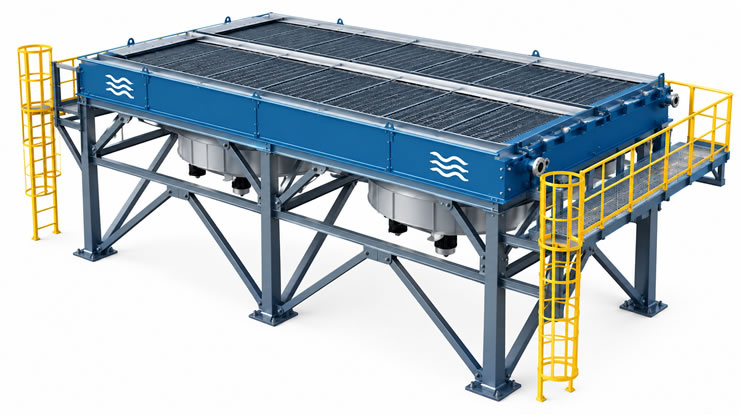
1. Inadequate Heat Transfer Efficiency
Challenge: One of the most common issues with air-cooled heat exchangers is reduced heat transfer efficiency. Over time, dust, dirt, and other debris accumulate on the heat transfer surfaces, reducing the system's effectiveness.
Solution: Regular cleaning and maintenance of the heat exchanger surfaces can mitigate this issue. Additionally, utilizing self-cleaning technologies or coatings that prevent fouling can significantly improve heat transfer. Furthermore, advanced design features such as higher surface area fins or tube designs can boost heat exchange efficiency.
2. High Pressure Drop
Challenge: High pressure drop across the system can lead to energy inefficiency and performance degradation. This occurs when the air flow is obstructed or when the design does not optimize the flow path.
Solution: Optimizing the fin design and air ducting can reduce pressure drop. Using advanced computational fluid dynamics (CFD) simulations can help in designing systems with minimal resistance. Ensuring that the air filters are clean and the fans are working efficiently can also prevent unnecessary pressure loss.
3. Corrosion and Material Degradation
Challenge: Air-cooled heat exchangers are exposed to environmental factors such as humidity, salt, and other corrosive elements that can cause rust and material degradation over time.
Solution: Selecting corrosion-resistant materials, such as stainless steel or coated metals, can minimize the impact of corrosion. In coastal regions or other high-risk areas, specialized coatings or materials designed for harsh environments are recommended. Regular inspections and proactive maintenance can also help catch early signs of wear.
4. Environmental and Weather-Related Issues
Challenge: Extreme weather conditions, such as heavy rainfall, snow, or extreme heat, can affect the performance of air-cooled heat exchangers. These weather patterns may block air vents or lead to overheating.
Solution: Designing systems to withstand local environmental conditions is key. Using weatherproof enclosures and proper shielding for critical components can reduce the impact of weather on performance. In colder climates, ensuring the system is properly insulated can prevent freezing and improve operation efficiency.
5. High Maintenance Costs
Challenge: Air-cooled heat exchangers require consistent maintenance, which can be expensive. Neglecting routine upkeep can lead to larger, more costly issues.
Solution: Implementing a predictive maintenance system using IoT sensors or thermal cameras can help detect problems early and prevent costly repairs. Regular cleaning, lubrication, and inspections can keep the system running smoothly and lower long-term maintenance costs.